Sichuan Heat for the Group Table
Mapo tofuMapo tofu brings the numbing Sichuan peppercorn heat that anchors the rest of the menu's spice level.
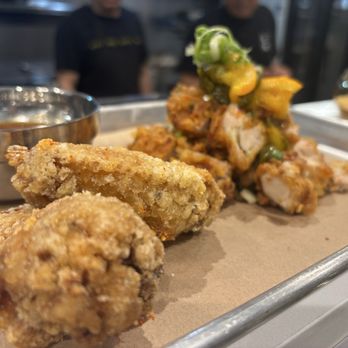
Kung pao chickenKung pao chicken pairs the char of a hot wok with peanuts and dried chiles for a menu standard done right.
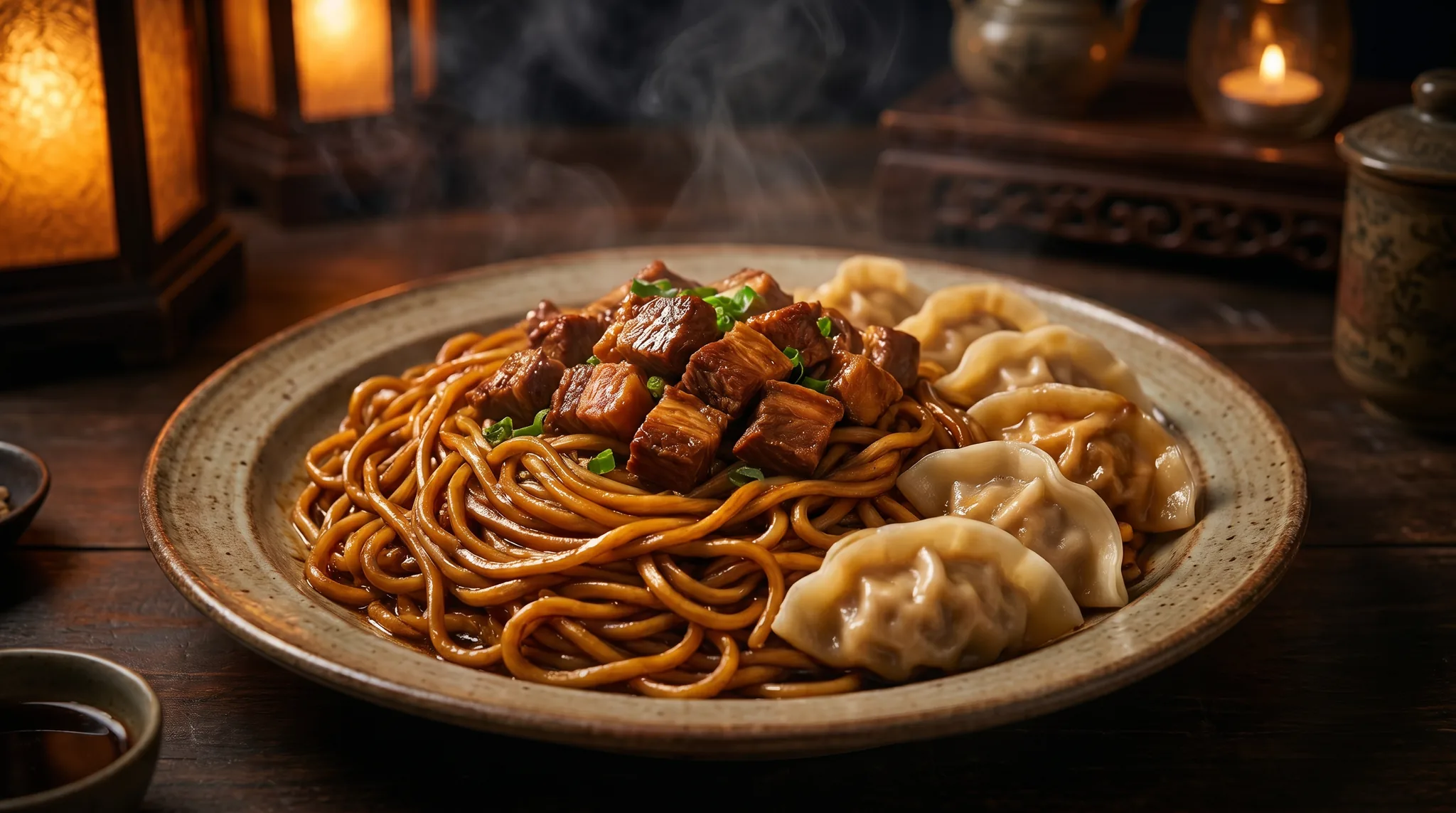
Dan dan noodlesDan dan noodles carry the chili oil and sesame paste that make this the order for anyone new to the table.
Tiger Fork works best as a room for a table of five or six, ordering enough plates that the mapo tofu, the kung pao chicken, and the dan dan noodles all land in front of the group at once. That's the register the kitchen seems built for: shareable, chili-forward Chinese cooking meant to circulate rather than sit in front of one diner. The mapo tofu carries the numbing heat that separates a Sichuan-leaning kitchen from a general Chinese American one, soft tofu against a sauce built for spice tolerance and repeat spoonfuls. Kung pao chicken plays the more familiar role on the table, peanuts and dried chili giving newcomers something to anchor to while the rest of the order gets more aggressive.
Dan dan noodles round it out as the dish worth ordering even solo, the kind of tangled, sesame-and-chili bowl that reads as a kitchen confident in its spice work rather than one softening it for a general audience. The restaurant sits down an alley among murals and a handful of other small businesses, which means it rewards people who already know where they're going rather than passersby scanning a block for a storefront. It runs a reservations system worth using on weekends; walking up and hoping for a table is a real gamble here. Inside, the room leans toward a lively bar and a casual dining floor built for groups rather than quiet two-tops, and turnover reads brisk on weekend nights even with the room's smaller footprint.
Pricing sits in the moderate range, which puts Tiger Fork in reach for a regular group dinner rather than a special occasion, and the format rewards exactly that: a rotating cast of friends splitting several plates over a couple of hours. For Washington diners tracking down serious Chinese cooking, this is closer to Sichuan intensity than the softened, one-note version found at many corner spots. Solo diners or couples looking for something quiet should look elsewhere; this is a kitchen and a room built for volume, noise, and shared plates.